Commodities & Infrastructure
Throughput Systems of the Real Economy
At 168 Capital, commodities and infrastructure are treated as a single economic system; these physical inputs and throughput networks allow societies, industries, and markets to function.
We engage these systems not as price exposure, but as long-duration, real-economy infrastructure embedded in production, logistics, and essential services.
While the 168 operational architecture is anchored by physical metals throughput and long-horizon real assets, we view essential commodities and infrastructure as a natural extension of that architecture. These are not speculative instruments or trading positions, but the physical inputs that sustain manufacturing, energy systems, food supply, daily life, and industrial continuity.
Our approach to commodities is deliberate: capital is structured to support broader economic function, not price-driven exposure.
As the architecture evolves, commodities serve as a deployment pathway for retained capital, reinforcing supply chains, industrial systems, and production capacity that economies rely on to function across cycles.
This orientation ensures that capital remains embedded in the real economy, strengthening systems that generate value through physical throughput, not financial abstraction.
How Commodities & Infrastructure Fit Within the 168 Architecture
Physical metals provide the engine.
Land and real estate provide permanence.
Commodities and infrastructure provide continuity.
168 Capital ensures capital remains embedded in the systems our economies depend on.
Core Throughput Systems
Rather than operating discrete commodity structures, 168 Capital engages commodities and infrastructure through selective participation in systems that move, process, and stabilize essential inputs.
The raw inputs of civilization.
Industrial Materials
Critical metals and raw materials essential to construction, transport, and manufacturing through regulated supply chains. These inputs underpin infrastructure development and industrial productivity and remain indispensable regardless of market conditions.
Energy Inputs
Foundational energy commodities that support mobility, logistics, and industrial operations. Our interest lies in continuity, efficiency, and system reliability—not price volatility.
Agricultural & Food Systems
Processing, Logistics & Infrastructure
Facilities, software, and operational systems that connect raw materials to usable output—refining, transport, storage, and trade corridors that ensure essential inputs serve a real economic purpose.
Staple commodities that sustain food supply chains and downstream processing. These systems are central to social stability and long-term economic resilience.
Commodities, when approached through disciplined capital structures, support far more than resource extraction. They enable:
Manufacturing and industrial output
Infrastructure development and maintenance
Energy security and supply continuity
Food system stability
Employment and regional economic activity
These systems form the invisible backbone of economic stability. When they fail, volatility follows. When they function, growth becomes durable.
Supporting Broader Economic Activity
Strengthening the inputs that allow communities, industries, and nations to function.
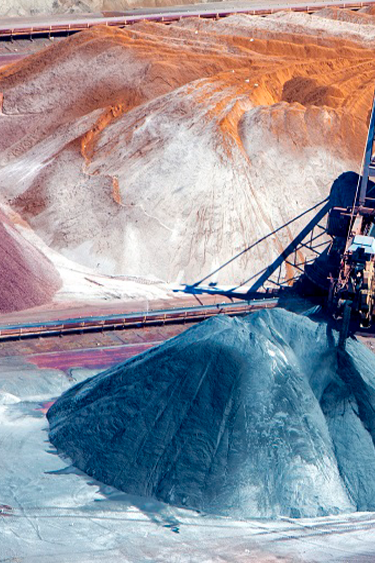
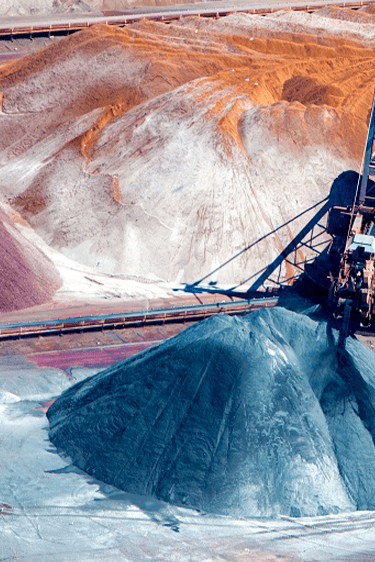
We do not pursue commodities and infrastructure to chase cycles. We engage with them because economies cannot function without them.
As the 168 architecture continues to scale, commodities and infrastructure represent an embedded capability and a way to extend operational resources into the systems that support industry, infrastructure, and everyday economic life.
This is how the architecture ensures that operational capital remains embedded in the real economic activity it depends on — not abstracted from it.
Positioning for Long-Term Resilience
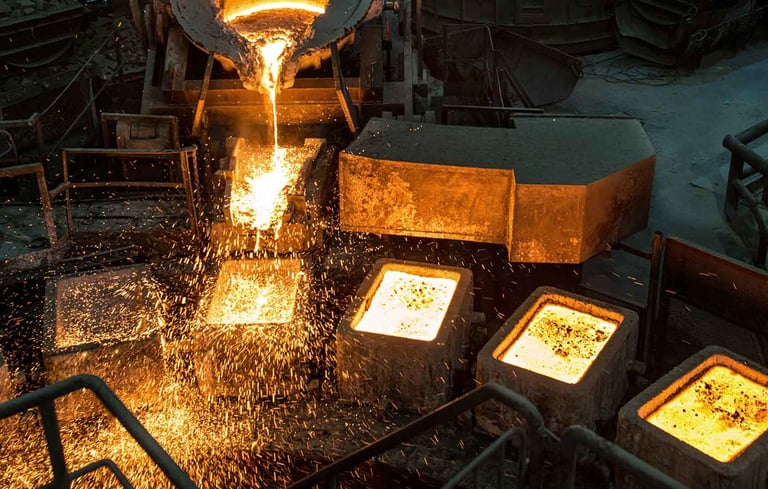
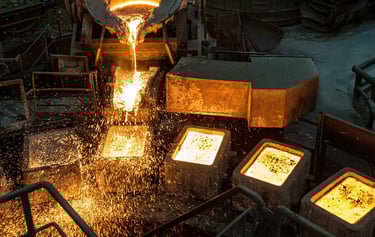
Commodities and infrastructure are the foundational throughput systems of the real economy.
© .168 Capital 2025
This site is published for informational purposes only. It describes the operational architecture and supply chain framework of 168 Capital and its subsidiaries. Nothing on this page constitutes an offer, solicitation, or invitation to enter into any agreement of any kind. 168 Capital does not solicit counterparties through public channels. All bilateral engagements are established through direct, private contact and are subject to due diligence and the execution of definitive agreements.
SOCIAL MEDIA
Building tomorrows real-asset economy