Land & Real Estate
Directing Operational Surplus Into Assets That Strengthen the Economy
Within the 168 operational architecture, land and real estate are not speculative assets or short-cycle trades. They are long-duration systems through which real resources regenerate environments, strengthen communities, and anchor economic resilience across generations.
Real estate functions as a long-horizon reinvestment layer within our broader real-asset architecture.
By directing operational surplus into land, housing, hospitality, and infrastructure assets, the architecture channels short-cycle throughput into long-cycle economic stability — ensuring capital remains anchored in assets that continue to function across market cycles.
Operational discipline first. Enduring assets second. Continuum of long-term value.
Land & Real Estate: Long-Horizon Reinvestment Layer
Physical metals provide the income engine.
Land and real estate provide permanence.
Real Asset Allocation
Capital is directed into assets designed to operate, generate operational value, and remain relevant over time. These assets strengthen housing, industry, and communities, allowing value to build through ongoing operations rather than solely through exit velocity. Wealth is preserved by anchoring in what continues to work, cycle after cycle.
Permanent Economic Infrastructure
Senior care, student housing, long-term rental infrastructure
The MRP directs operational resources into essential residential assets across the Mediterranean that address long-term demographic demand.
• Operational housing assets
• Senior living, student housing, and long-term rental stock
• Assets designed for durability and continuity
• Integrated into local economies rather than short-cycle markets
Mediterranean Regenerative Program (MRP)
Biophilic Neighbourhoods Program (BNP)
Human-scaled, regenerative residential communities
We support the development of resilient neighbourhoods designed for long-term human use and environmental integration.
• Low-density, community-oriented residential projects
• Biophilic design principles that enhance livability and resilience
• Long-horizon ownership models over speculative turnover
• Alignment with local infrastructure and social systems in local economies rather than short-cycle markets
Industrial upgrades, mining modernization, trade-route
The CIP directs operational resources toward the modernization of essential industrial and trade infrastructure.
• Industrial and mining upgrades that improve efficiency and safety
• Trade-route and logistics infrastructure with long-term utility
• Modernization financing tied to operational performance
• Infrastructure critical to real-economy function across cycles
Critical Infrastructure Program (CIP)
Locally integrated, year-round hospitality assets
We invest in hospitality assets designed to operate sustainably across seasons while supporting local economies.
• Year-round, non-speculative hospitality infrastructure
• Assets integrated with local employment and supply chains
• Long-horizon operating models over tourism cycles
• Hospitality treated as infrastructure, not lifestyle real estate
Regenerative Hospitality Program (RHP)
Education, healthcare, public space, and cultural infrastructure
The CAP directs operational resources into assets that form the social and civic backbone of functioning communities.
• Private schools, healthcare facilities, and essential services
• Public spaces, parks, and community-use infrastructure
• Cultural and recreational assets that support daily life
• Long-duration ownership focused on continuity, not turnover
Community Assets Program (CAP)
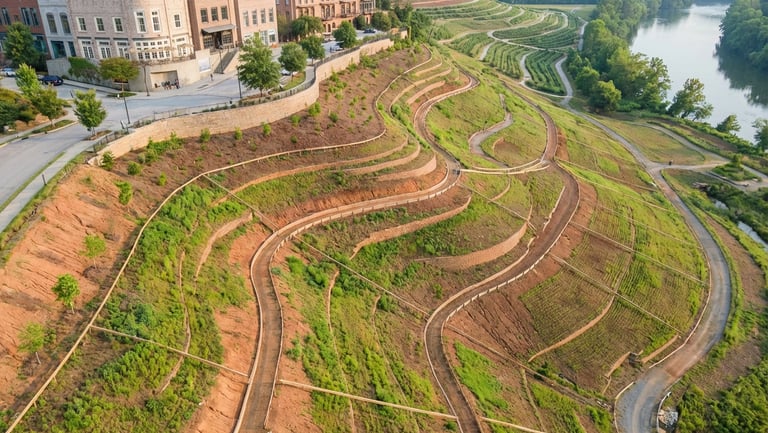
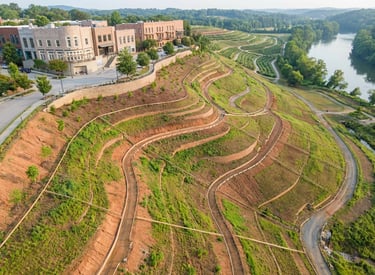
Land Reclamation Program (LRP)
Long-duration land restoration and productivity assets
The LRP directs operational resources into land assets with the potential for regeneration, productivity, and sustained economic use.
• Land restoration and soil productivity initiatives
• Long-term stewardship models rather than extractive use
• Assets structured for decades of relevance
• Reclaimed land aligned with food systems, housing, or infrastructure
The framework directs operational resources exclusively to projects that meet three core criteria:
Essential use: Assets that serve real, ongoing demand
Operational longevity: Designed to remain relevant for decades, not exit windows
Community integration: Assets that strengthen local economies rather than extract from them
Allocation Framework
This framework governs every land and real estate initiative across the 168 operational architecture.
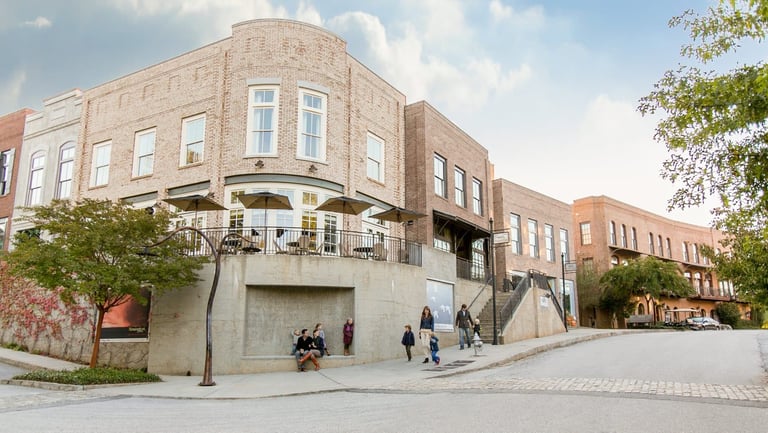
Operational surplus flows through a disciplined sequence: structural reinvestment first, long-horizon asset anchoring second. The physical metals corridor generates operationally derived margin; surplus is directed into long-horizon real assets that endure across cycles.
Capital Flow Architecture
Operational discipline first. Enduring assets second. Continuum of long-term value.
© .168 Capital 2025
This site is published for informational purposes only. It describes the operational architecture and supply chain framework of 168 Capital and its subsidiaries. Nothing on this page constitutes an offer, solicitation, or invitation to enter into any agreement of any kind. 168 Capital does not solicit counterparties through public channels. All bilateral engagements are established through direct, private contact and are subject to due diligence and the execution of definitive agreements.
SOCIAL MEDIA
Building tomorrows real-asset economy